27-05-2026
Why Control Rooms Need Flexible Routing and Management
The Future of AV Control Room Design is Smarter, Faster and More Adaptable
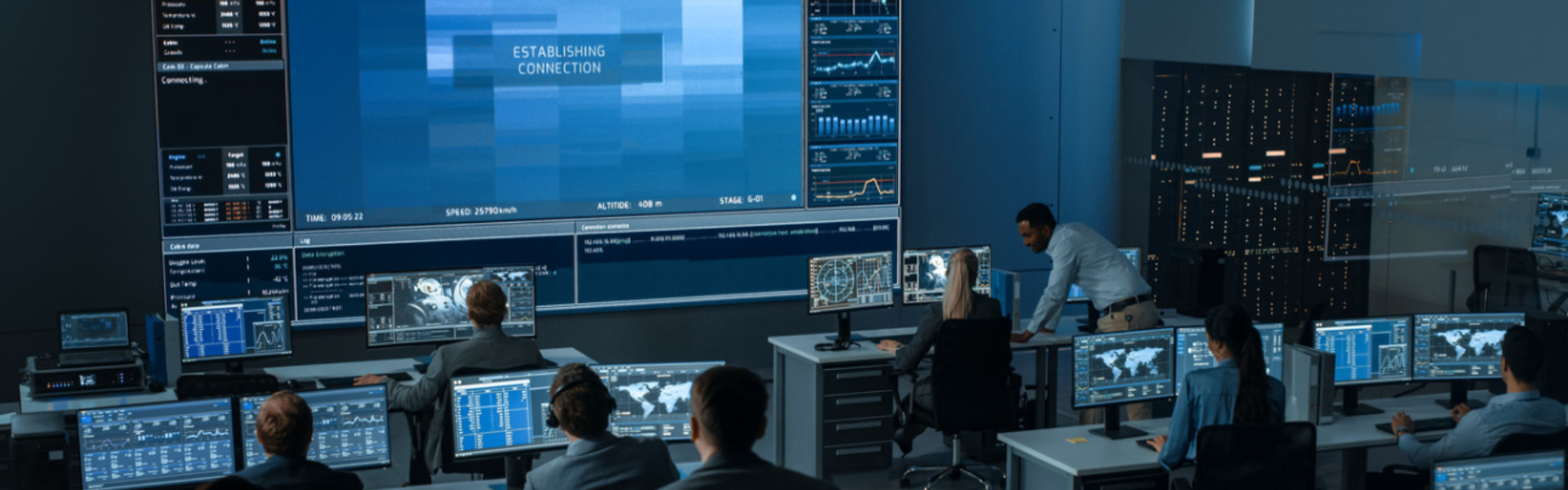
Modern master control rooms are under more pressure than ever. Whether managing utilities, transport infrastructure, security operations or emergency response, operators are expected to monitor more data, respond faster and make critical decisions in real time. In these environments, AV technology is no longer just supporting operations, it is central to them.
This is why the conversation around AV control room design is shifting towards software-defined AV. Traditional fixed-routing systems can struggle to keep pace with the demands of modern operations, particularly when layouts, data feeds and operational priorities constantly evolve. Software-defined AV introduces a more flexible approach, allowing operators to route, manage and control content dynamically through intelligent software rather than rigid hardware limitations.
At Lucid, we help organisations develop intelligent control room AV environments that prioritise flexibility, scalability and operational efficiency, ensuring teams can respond quickly when it matters most.
What Is Software-Defined AV?
Software-defined AV refers to AV systems where routing, control and management are handled primarily through software platforms rather than fixed physical switching infrastructure. Instead of relying solely on hardwired matrix switchers or manually configured signal paths, software-defined environments allow users to manage video feeds, layouts and routing through centralised digital interfaces.
This approach aligns closely with the growth of AV over IP and networked AV technologies, which allow content to be routed flexibly across network infrastructure rather than fixed point-to-point cabling. AV over IP systems are valued for their scalability and flexibility, allowing organisations to route sources to destinations without physical rewiring.
For control rooms, this creates a much more agile and responsive environment.
Why Flexible Routing Matters in Control Rooms
No two incidents unfold the same way, and no two operators always need the same information. A rigid AV environment where displays are tied to fixed sources can limit situational awareness and slow down response times. Flexible routing allows operators to:
- Display Any Source Anywhere – route any input to any screen, display wall or workstation instantly.
- Adapt Layouts in Real Time – reconfigure display walls and dashboards based on operational priorities.
- Support Multi-Team Collaboration – share critical feeds across departments or remote sites simultaneously.
- Scale with Operational Growth – add new data feeds, displays or locations without complete redesigns.
This flexibility is one of the core benefits driving adoption of software-led and AV over IP based AV systems.
Centralised Management Improves Operational Efficiency
Beyond routing, software-defined AV also improves how systems are monitored and managed.
In many traditional environments, diagnosing faults or updating system behaviour requires manual intervention at hardware level. Software-defined systems offer centralised visibility and management, making it easier to maintain performance and proactively resolve issues. Centralised software management is widely recognised as a key benefit of modern AV over IP environments. For control rooms, this means:
- Simplified Monitoring – view system health and performance from one dashboard.
- Faster Troubleshooting – identify and resolve issues before they disrupt operations.
- Remote Management – support distributed teams and multi-site control environments.
- Consistent User Experience – maintain standardised layouts and controls across locations.
Why Lucid Takes a Software-Led Approach
At Lucid, we specialise in software-driven AV integration for mission-critical spaces. Our master control room, operations room and emergency room AV solutions are built to provide real-time monitoring, situational awareness and seamless collaboration through centralised control interfaces and multi-source integration tools.
We help organisations design AV control room systems that combine:
- Custom Control Interfaces – intuitive dashboards tailored to operator workflows.
- Dynamic Video Wall Management – flexible display wall control for changing operational priorities.
- Multi-Source Integration – bringing together dashboards, live feeds, signage and monitoring tools.
- Scalable Architecture – future-ready systems designed for expansion and adaptation.
Rather than creating AV systems around hardware limitations, we build them around how your teams operate.
The Future of Control Room AV
As operations become more data-driven and geographically distributed, control rooms need AV environments that can evolve just as quickly. Software-defined AV provides the adaptability, visibility and control required to support modern operational demands without the rigidity of legacy infrastructure.
For organisations investing in new or upgraded control room AV, flexibility is no longer a luxury. It is a necessity.
Contact Us
If you are reviewing your AV control room infrastructure or planning a new control room AV environment, Lucid can help. Contact our team to discuss how our software-led AV solutions can help future-proof your control room operations.